- 416 431 1371
- info@mmdental.ca
- Unit A007, 3480 Lawrence Avenue East, Scarborough, Ontario, M1H 1A9, Canada.

Tooth Crowns and Caps
Tooth Crowns and Caps: Complete Guide to Restoring Strength and Beauty to Your Smile
Dental health plays a vital role in maintaining your overall well-being, and one of the most effective restorative procedures in modern dentistry is the use of tooth crowns and caps. These custom-made restorations not only protect weakened teeth but also restore their natural appearance, function, and durability. This article provides an in-depth look at dental tooth crowns and caps, including their purpose, benefits, materials, and how the entire procedure works.
What Are Tooth Crowns and Caps?
In dentistry, tooth crowns and caps refer to the same type of dental restoration. A crown (or cap) is a custom-made, tooth-shaped covering that fits perfectly over a damaged or weakened tooth. It is permanently cemented into place to restore the tooth’s strength, function, and appearance.
While both terms are often used interchangeably, some dental professionals note that the word “cap” may sometimes describe a less invasive restoration that covers only part of the tooth. However, both serve the same essential purpose: protecting and rebuilding compromised teeth.
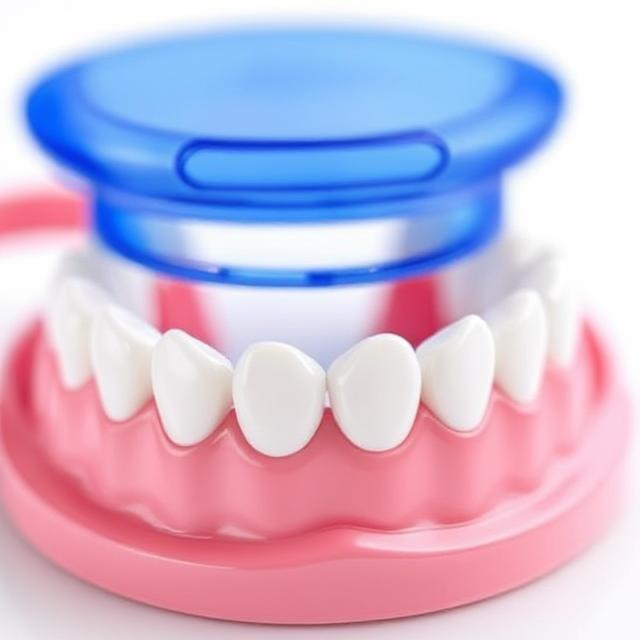
When Do You Need a Dental Crown or Cap?
Dental crowns are recommended in several situations where a tooth has lost its natural integrity or appearance. Below are the most common reasons why a dentist may suggest a tooth crown or cap:
1. Weak or Cracked Tooth
If a tooth has been weakened by decay or injury, a crown reinforces its structure and prevents further damage.
2. After Root Canal Treatment
Teeth that have undergone root canal therapy often become brittle. A dental crown provides the strength and protection needed to prevent fractures.
3. Large or Broken Fillings
When a tooth contains a large filling or has lost significant structure, a crown helps preserve what remains and restores the tooth’s shape.
4. Severely Decayed Teeth
In cases of extensive decay where a filling cannot restore the tooth, a crown can save and protect it.
5. Discolored or Misshapen Teeth
For aesthetic reasons, crowns can dramatically improve the color, size, and alignment of teeth, creating a more uniform smile.
6. Covering Dental Implants
Dental crowns serve as the visible, functional component of dental implants, offering a natural-looking replacement for missing teeth.
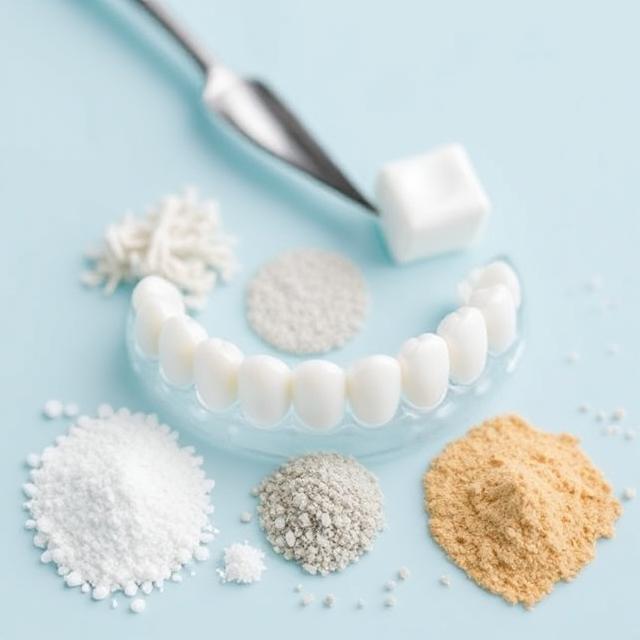
Different Materials Used for Dental Crowns
Modern dentistry offers a range of crown materials to meet different needs, preferences, and budgets. The type of crown you choose will depend on the location of the tooth, esthetic goals, and functional requirements.
1. All-Ceramic or Porcelain Crowns
Provide a natural, tooth-like appearance.
Ideal for front teeth where aesthetics matter most.
Biocompatible and metal-free.
2. Porcelain-Fused-to-Metal (PFM) Crowns
Combine durability with a natural appearance.
Suitable for both front and back teeth.
Strong but may show a thin dark line at the gum line over time.
3. Metal Crowns
Extremely strong and long-lasting.
Best suited for molars where strength is more important than appearance.
Made from gold, nickel, or other metal alloys.
4. Resin Crowns
More affordable than other materials.
Less durable and may wear down faster.
Typically used as temporary solutions.
Step-by-Step Process: How Dental Crowns Work
Understanding how a crown is placed can help you feel more comfortable about the procedure. The process is typically completed in two dental visits.
1. Tooth Preparation
Your dentist reshapes the tooth by removing a small portion of enamel to make room for the crown. This step ensures a snug, natural fit.
2. Dental Impression
An impression or 3D scan of your teeth is taken to create a custom-made crown that matches your bite and surrounding teeth.
3. Temporary Crown Placement
A temporary crown is fitted to protect the prepared tooth while your permanent crown is being fabricated in a dental lab.
4. Permanent Crown Placement
Once your permanent crown is ready, your dentist removes the temporary one and cements the new crown securely in place. The final result looks and feels just like a natural tooth.
Benefits of Tooth Crowns and Caps
Choosing a dental crown offers both cosmetic and functional benefits:
Restores Strength: Protects and strengthens teeth weakened by decay or trauma.
Enhances Appearance: Improves color, shape, and alignment for a flawless smile.
Long-Lasting Results: With proper care, crowns can last 10–15 years or longer.
Improves Functionality: Allows normal chewing, biting, and speaking without discomfort.
Prevents Further Damage: Seals the tooth from bacteria and decay.
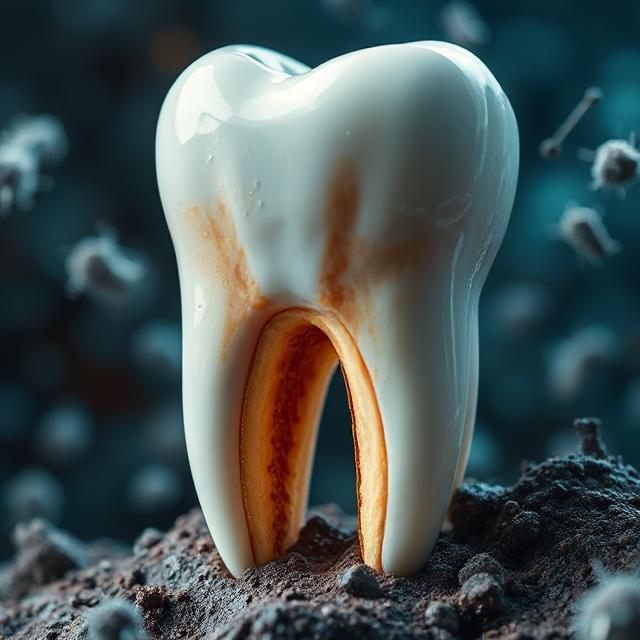
Caring for Your Dental Crown
Proper care ensures your dental crown lasts for many years. Here are a few simple but effective maintenance tips:
Brush and floss daily to prevent plaque buildup.
Avoid chewing hard foods such as ice or hard candy.
Visit your dentist regularly for professional cleaning and checkups.
Wear a mouthguard if you grind your teeth at night.
Are Dental Crowns Permanent?
While crowns are designed to be long-lasting, they are not completely permanent. Over time, normal wear or gum recession may require replacement. However, with good oral hygiene and regular dental visits, a crown can last a decade or more, maintaining its beauty and function.
Conclusion
Tooth crowns and caps are essential in modern restorative dentistry, offering both protection and aesthetic improvement for damaged or weakened teeth. Whether you need to strengthen a cracked tooth, restore a root canal-treated tooth, or improve your smile’s appearance, dental crowns provide a reliable and long-term solution. By choosing the right material and following proper care, you can enjoy a strong, healthy, and beautiful smile for many years to come.
Frequently Asked Questions About Tooth Crowns and Caps
1. Are tooth crowns and caps the same thing?
Yes. The terms “tooth crown” and “tooth cap” refer to the same dental restoration — a custom-made covering placed over a damaged or weakened tooth. While some people use “cap” informally, both serve the same purpose: protecting and restoring the tooth’s shape, strength, and appearance.
2. How long do dental crowns last?
With proper care, dental crowns can last between 10 to 15 years or even longer. Longevity depends on factors such as the material used, oral hygiene habits, and avoiding habits like teeth grinding or chewing on hard objects.
3. Is getting a dental crown painful?
No, the procedure is typically painless. Your dentist will numb the area with local anesthesia before reshaping the tooth. You might experience mild sensitivity or discomfort for a few days after placement, but it usually subsides quickly.
4. Can a crowned tooth get cavities?
Yes, although the crown itself cannot decay, the natural tooth beneath the crown is still vulnerable. Maintaining good oral hygiene — brushing, flossing, and regular dental checkups — is essential to prevent cavities near the gum line.
5. What is the best material for a dental crown?
The best material depends on your needs and the tooth’s location:
Porcelain or ceramic crowns are best for front teeth because they look natural.
Metal or PFM crowns are stronger and ideal for molars.
Resin crowns are budget-friendly but less durable.
Your dentist will help you choose the most suitable option.