- 416 431 1371
- info@mmdental.ca
- Unit A007, 3480 Lawrence Avenue East, Scarborough, Ontario, M1H 1A9, Canada.

Tooth Cleaning
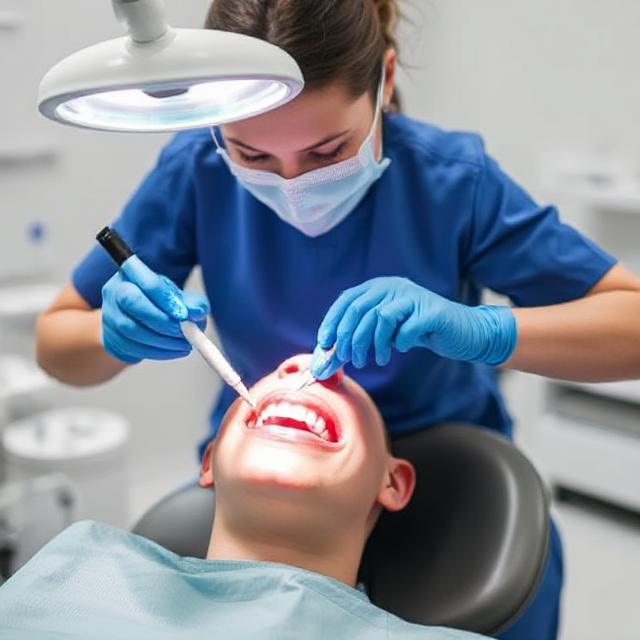
Routine Dental Cleanings: An Essential Preventive Care Procedure
Routine tooth cleaning, also known as prophylaxis, is preventive procedures performed by a dentist or dental hygienist to maintain oral health. These tooth cleaning involves the removal of plaque (a sticky film of bacteria) and tartar (hardened plaque) from the teeth and below the gum line, helping to prevent cavities, gum disease, and other oral health issues. For patients with generally healthy teeth and gums, these procedures are typically recommended twice a year.
What Happens During a Routine Tooth Cleaning
Examination
The dentist or hygienist begins with a thorough examination of the mouth to identify potential issues such as cavities, gum disease, or early signs of oral health problems.Scaling
Using specialized instruments, plaque and tartar deposits are carefully removed from the tooth surfaces and areas between the teeth where brushing and flossing may not reach.Polishing
A high-powered brush combined with a mildly abrasive toothpaste is used to polish the teeth. This process smooths the enamel and helps eliminate minor surface stains.Flossing
Professional flossing ensures the removal of any residual plaque or debris from between the teeth and along the gum line.Rinsing and Fluoride Treatment
The mouth is rinsed to clear away loosened debris. A fluoride treatment is often applied to strengthen the enamel and provide additional protection against cavities for several months.
Why Routine Cleanings Are Important
Prevention of Gum Disease: Removing plaque and tartar reduces the risk of gingivitis and periodontal disease.
Prevention of Cavities: Regular removal of bacterial buildup lowers the likelihood of tooth decay.
Stain Removal: Polishing enhances the brightness of the teeth by addressing surface stains.
Early Detection of Issues: Examinations during cleanings allow dentists to identify oral health concerns in their earliest stages, making treatment less invasive and more effective.
Recommended Frequency
General Recommendation: Every six months for patients with good oral health.
Higher-Risk Patients: Those with gum disease, frequent cavities, or other oral health concerns may be advised to schedule cleanings more frequently, typically every three to four months.
Routine dental cleanings are a vital component of preventive dental care. By maintaining a consistent schedule of professional cleanings, patients can significantly reduce their risk of dental disease, preserve a brighter smile, and support long-term oral health.