- 416 431 1371
- info@mmdental.ca
- Unit A007, 3480 Lawrence Avenue East, Scarborough, Ontario, M1H 1A9, Canada.

TMJ (Temporomandibular Joint)
TMJ (Temporomandibular Joint) Treatments in Dentistry
Temporomandibular Joint (TMJ) disorders can significantly affect jaw function and quality of life, often presenting with pain, difficulty chewing, or limited jaw movement. Dental treatments aim to relieve discomfort, restore function, and prevent further complications. Management typically begins with conservative therapies and may progress to more complex interventions if symptoms persist.
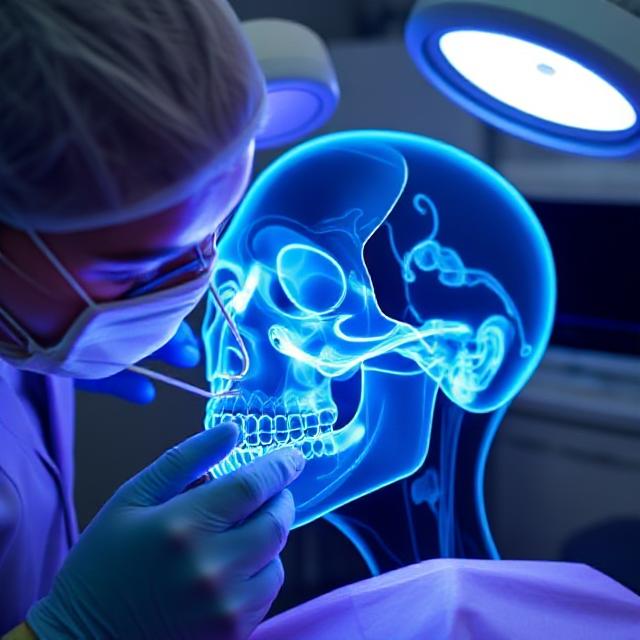
Conservative Treatments
Oral Appliances
Custom-fitted nightguards or splints are often recommended to reduce jaw muscle strain, protect teeth from grinding or clenching (bruxism), and minimize pressure on the TMJ.
Medications
Over-the-counter nonsteroidal anti-inflammatory drugs (NSAIDs) can alleviate pain and inflammation. In more severe cases, dentists may prescribe stronger pain relievers or muscle relaxants to manage symptoms effectively.
Dental Adjustments
Replacing or modifying ill-fitting restorations, crowns, or fillings can correct bite irregularities and reduce stress on the joint.
Orthodontic Treatment
When a misaligned bite (malocclusion) contributes to TMJ dysfunction, orthodontic correction may help restore proper alignment and jaw mechanics.
Physical Therapy
Targeted exercises, ultrasound therapy, or heat application provided by a physical therapist can improve mobility and relieve muscle tension around the joint.
Lifestyle and Behavioral Changes
Adopting habits such as eating soft foods, avoiding excessive jaw movements (e.g., chewing gum, wide yawning), practicing stress management, and maintaining good posture can help reduce strain on the TMJ.
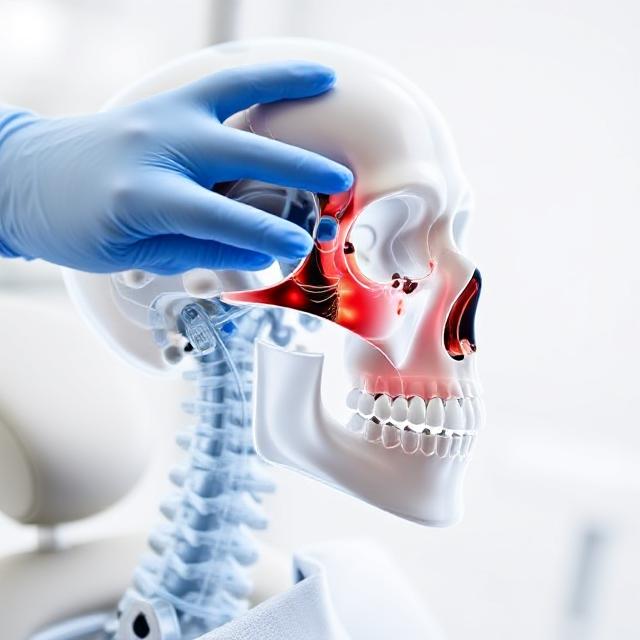
More Complex Treatments
Injections
Corticosteroid or Botox injections into the jaw muscles may provide temporary relief by decreasing inflammation and relaxing overactive muscles.
Arthrocentesis
This minimally invasive procedure involves flushing the joint with sterile fluid to remove debris and inflammatory byproducts, thereby improving function.
Arthroscopy
Using small instruments and a camera inserted into the joint, arthroscopy allows for diagnosis and treatment of TMJ disorders with fewer risks than open surgery.
Open-Joint Surgery
Reserved for severe cases that do not respond to other therapies, open-joint surgery may involve repairing, repositioning, or replacing parts of the joint.
When to See a Dentist
It is advisable to consult a dentist if:
Self-care measures and over-the-counter medications fail to relieve symptoms.
Persistent jaw pain, tenderness, clicking, popping, or restricted movement occurs.
Difficulty in opening or closing the mouth interferes with daily activities.