- 416 431 1371
- info@mmdental.ca
- Unit A007, 3480 Lawrence Avenue East, Scarborough, Ontario, M1H 1A9, Canada.

Teeth Whitening
Teeth Whitening
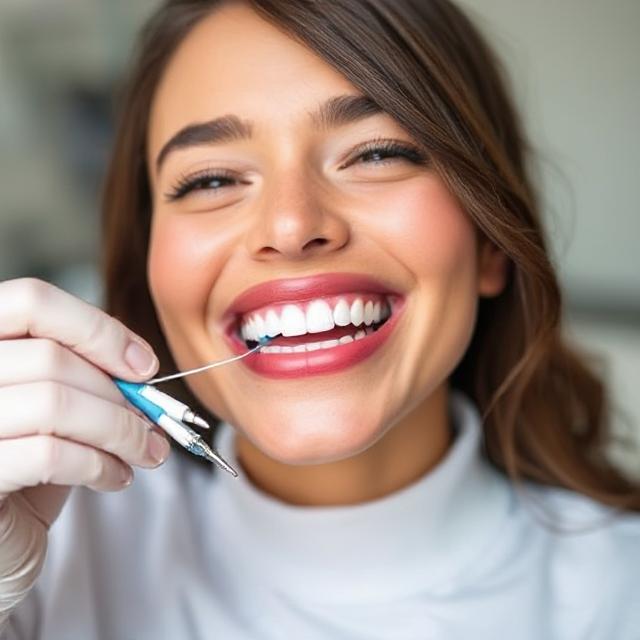
Teeth whitening is a popular cosmetic dental procedure designed to lighten the natural color of your teeth and remove stains or discoloration. It’s one of the most requested dental treatments due to its ability to significantly enhance a person’s smile with relatively minimal effort.
Causes of Tooth Discoloration
To understand how whitening works, it’s helpful to know what causes teeth to stain in the first place. Common causes include:
Foods and Drinks: Coffee, tea, red wine, and berries can stain the enamel.
Tobacco Use: Smoking or chewing tobacco causes yellowing and deep stains.
Poor Dental Hygiene: Inadequate brushing and flossing can lead to plaque buildup and discoloration.
Aging: As enamel wears down over time, the yellowish dentin underneath becomes more visible.
Medications: Some antibiotics, antihistamines, and blood pressure medications can darken teeth.
Trauma: Injury to a tooth may result in a darker shade.
Types of Teeth Whitening
In-Office Whitening:
Performed by a dentist.
Uses high-concentration bleaching agents (often hydrogen peroxide).
Results are immediate and more dramatic.
Often includes protective measures for gums and enamel.
At-Home Whitening (Professional Kits):
Provided by a dentist for home use.
Includes custom-fit trays and lower-concentration whitening gel.
Takes several days to weeks for noticeable results.
Over-the-Counter Products:
Whitening strips, toothpaste, pens, and rinses.
Less effective and slower than professional methods.
More affordable but with varied results.
Is Teeth Whitening Safe?
When used appropriately, teeth whitening is generally safe. However, some individuals may experience:
Tooth sensitivity (especially with peroxide-based treatments)
Gum irritation
Uneven whitening, especially if you have crowns, fillings, or veneers
It’s best to consult a dentist before starting any whitening treatment.
Tips to Maintain Whitened Teeth
Avoid staining foods and drinks
Brush and floss regularly
Use a straw for beverages like coffee or soda
Schedule regular dental cleanings
Use touch-up kits or whitening toothpaste as recommended
Teeth whitening is a safe and effective way to improve the appearance of your smile. With multiple options available—ranging from professional treatments to at-home kits—there’s a solution for nearly every budget and need. For the best results, consult with your dentist to determine the most appropriate method for you.
Would you like a comparison of top whitening products or natural alternatives?