- 416 431 1371
- info@mmdental.ca
- Unit A007, 3480 Lawrence Avenue East, Scarborough, Ontario, M1H 1A9, Canada.

Root Canal
Root Canal Therapy: An Overview
Root canal therapy is a restorative dental procedure designed to remove infected or inflamed pulp tissue from within a tooth. The pulp, which consists of nerves, blood vessels, and connective tissue, can become compromised due to deep decay, fractures, or trauma. During treatment, the pulp is carefully removed, the root canals are cleaned and disinfected, and the space is filled and sealed to prevent further infection. This approach alleviates pain, preserves the natural tooth, and avoids the need for extraction and replacement with more complex dental solutions.
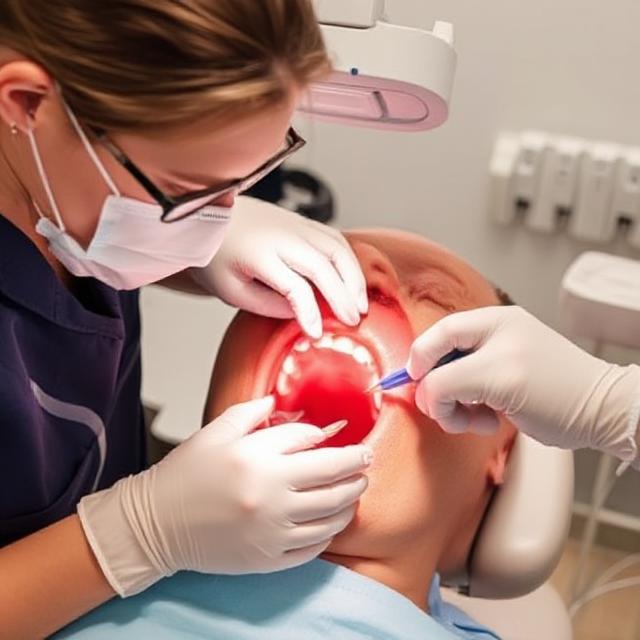
Why is Root Canal Therapy Necessary?
Infection: Harmful bacteria may reach the pulp through untreated cavities, chipped teeth, or defective fillings.
Inflammation: If left untreated, pulp inflammation can lead to severe pain, pulp death, and the formation of a dental abscess.
Tooth Preservation: A root canal enables patients to retain their natural tooth, preventing the need for extraction and reducing reliance on costlier restorative options such as implants or bridges.
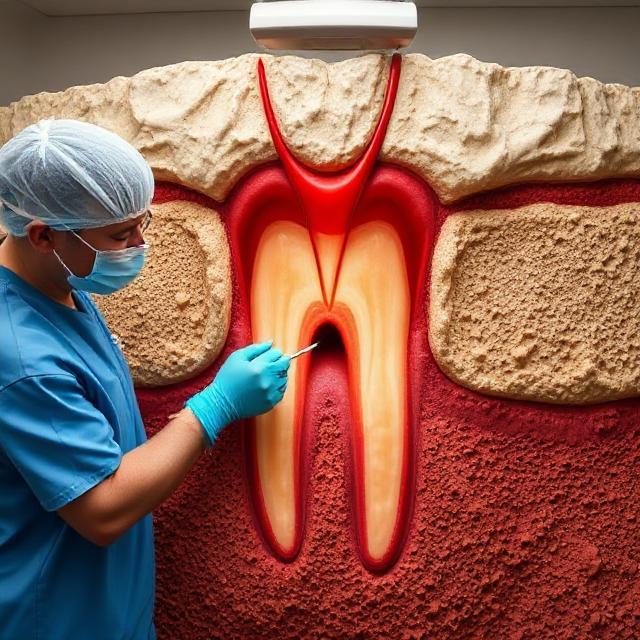
The Root Canal Procedure
Anesthesia: Local anesthesia is administered to numb the tooth and surrounding tissue, ensuring patient comfort.
Accessing the Pulp: The dentist or endodontist creates an opening in the tooth’s crown to reach the pulp chamber and root canals.
Cleaning and Disinfection: Diseased or damaged pulp is carefully removed, and the canals are thoroughly cleaned and disinfected.
Filling and Sealing: The prepared canals are filled with a biocompatible material, typically gutta-percha, and sealed to prevent reinfection.
Tooth Restoration: The access point is closed with a filling, and in most cases, a dental crown is placed to restore full function and protect the tooth’s structure.
Post-Treatment Expectations
Mild tenderness or sensitivity is common for several days following the procedure. Patients should adhere strictly to their dentist’s post-treatment care instructions to support healing and long-term success. With proper oral hygiene and follow-up care, a tooth treated with root canal therapy can last a lifetime.