- 416 431 1371
- info@mmdental.ca
- Unit A007, 3480 Lawrence Avenue East, Scarborough, Ontario, M1H 1A9, Canada.

Best Guide to Dental Bridges Near Me – Restore Your Smile with Confidence
When you search for “dental bridges near me,” you’re likely looking for a trusted and permanent solution to replace missing teeth. Dental bridges are one of the most effective treatments in restorative dentistry, designed to bring back both the function and beauty of your smile. This comprehensive guide will explain everything you need to know about dental bridges, how they work, their benefits, and why they might be the best choice for you.
What Are Dental Bridges?
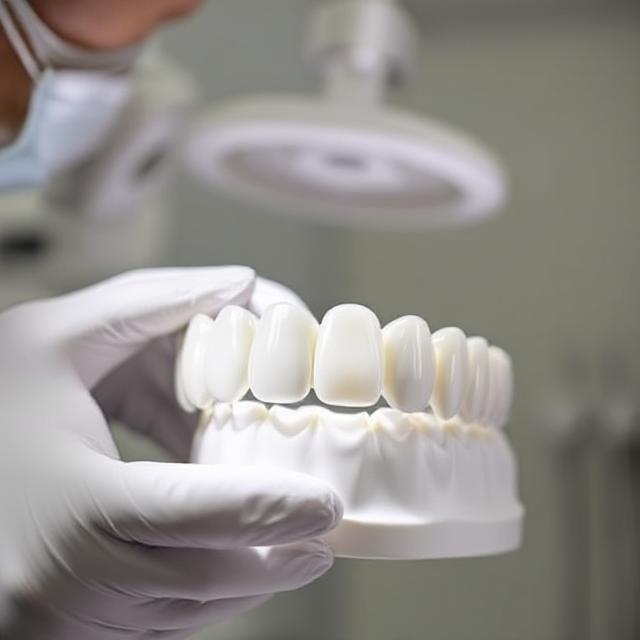
A dental bridge is a fixed dental restoration used to replace one or more missing teeth by literally bridging the gap between remaining natural teeth or dental implants. It consists of pontics (artificial teeth) that are anchored securely in place by crowns attached to the neighboring teeth or implant-supported abutments.
Unlike removable dentures, dental bridges are permanent and offer a long-lasting solution that restores your ability to chew, speak, and smile naturally.
How Dental Bridges Work
Dental bridges work by connecting artificial teeth to the natural teeth (or implants) beside the missing tooth space. These neighboring teeth, called abutment teeth, act as supports that hold the bridge firmly in place. The bridge itself consists of a single continuous unit made up of crowns and one or more pontics.
The Dental Bridge Procedure
1. Preparation
The dentist begins by preparing the abutment teeth — the natural teeth on either side of the missing tooth gap. These teeth are reshaped by carefully filing down a portion of enamel to create enough room for the crowns that will hold the bridge in place.
2. Impression and Modeling
Next, the dentist takes a detailed impression (mold) of your teeth to ensure the new bridge fits perfectly. This impression helps create a custom-designed bridge, matching the color, shape, and alignment of your natural teeth for a seamless look.
3. Temporary Bridge
While your permanent bridge is being fabricated, a temporary bridge may be placed to protect the exposed teeth and gums.
4. Placement
Once the permanent bridge is ready, it is carefully checked for proper fit and alignment. The dentist then cements the bridge onto the abutment teeth, securing it firmly in place. The artificial tooth (pontic) fills the empty space, completing your natural-looking smile.
Types of Dental Bridges
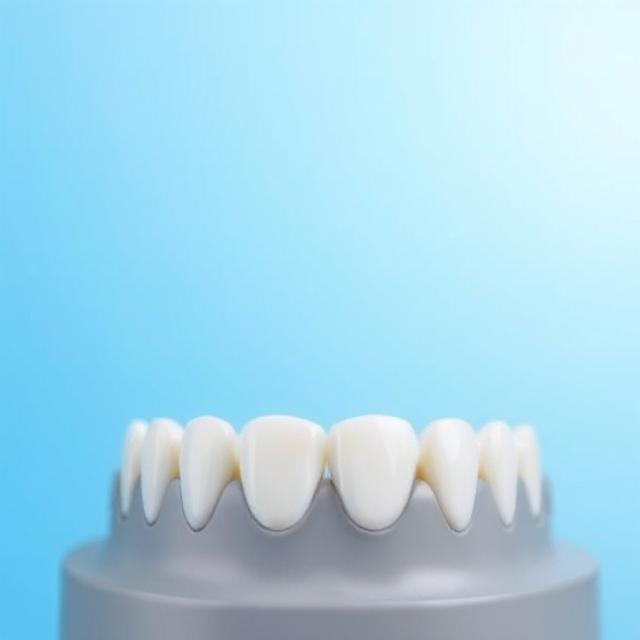
There are several types of dental bridges depending on your specific needs and dental health condition:
Traditional Bridge: Uses crowns on both sides of the missing tooth. Ideal for patients with strong natural teeth adjacent to the gap.
Cantilever Bridge: Anchored by a crown on only one side of the missing tooth. Best for areas under less chewing pressure.
Maryland Bridge: Uses a metal or porcelain framework bonded to the back of the adjacent teeth — a more conservative option.
Implant-Supported Bridge: Attached directly to dental implants instead of natural teeth, offering exceptional stability and longevity.
Benefits of Getting a Dental Bridge Near Me
Searching for “dental bridges near me” ensures you can find a professional dentist who can restore your smile effectively. Here are the major benefits of getting a dental bridge:
1. Restores Your Smile
A dental bridge fills the gap left by missing teeth, giving you a complete, attractive, and natural-looking smile.
2. Improves Chewing and Speech
Missing teeth can make eating difficult and cause slurred speech. A bridge restores proper bite alignment, making chewing and speaking easier and more comfortable.
3. Prevents Shifting of Teeth
When a gap is left unfilled, neighboring teeth can shift out of position, causing bite issues and jaw discomfort. A bridge keeps your remaining teeth properly aligned.
4. Maintains Facial Shape
Missing teeth can cause the cheeks to sink and the jawline to sag. By replacing lost teeth, a dental bridge helps maintain your facial structure and prevents premature wrinkles.
5. Supports Oral Health
A bridge reduces the risk of tooth decay, gum disease, and bite misalignment by preventing unwanted tooth movement and maintaining even pressure during chewing.
Key Components of a Dental Bridge
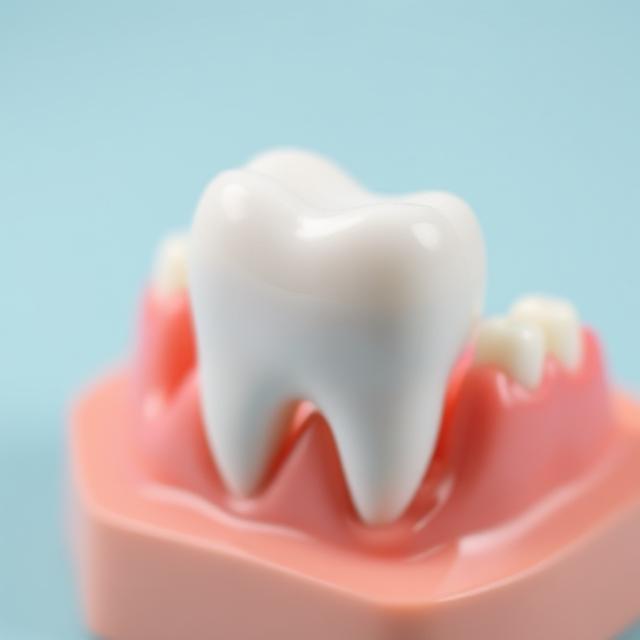
Abutment Teeth: These are the supporting teeth (or implants) that hold the bridge firmly in place.
Crowns: These caps are placed over the abutment teeth to anchor and secure the bridge.
Pontic: The artificial tooth (or teeth) that fills the missing gap, designed to look and function like natural teeth.
Aftercare and Maintenance
Taking care of your dental bridge is essential for ensuring its longevity. Here are some maintenance tips:
Brush and floss daily using special floss threaders to clean around and under the bridge.
Use an antibacterial mouthwash to prevent plaque buildup.
Visit your dentist regularly for professional cleanings and check-ups.
Avoid chewing hard foods like ice or hard candy that may damage the bridge.
With proper care, a dental bridge can last 10–15 years or even longer.
When to Consider a Dental Bridge
You may be a good candidate for a dental bridge if you:
Have one or more missing teeth in a row.
Have strong and healthy abutment teeth or implants.
Want a fixed, natural-looking solution instead of removable dentures.
Wish to restore normal function and prevent future dental problems.
Find the Best Dental Bridges Near Me
Choosing the right dentist is just as important as choosing the right treatment. When searching for “dental bridges near me,” look for clinics that offer:
Experienced restorative dentists
Customized treatment plans
Advanced materials and technology
Comprehensive aftercare support
A local dentist specializing in dental bridges can evaluate your oral condition, discuss your treatment options, and design a restoration that perfectly fits your needs.
Final Thoughts
A dental bridge is more than just a cosmetic fix — it’s a lasting solution that improves oral health, restores confidence, and helps you maintain a natural-looking smile for years to come. Whether you’re missing one tooth or several, consulting a qualified dentist near you is the first step toward reclaiming your complete, healthy smile.
If you’re searching for “dental bridges near me,” schedule a consultation today and take the first step toward a beautiful, functional smile.