- 416 431 1371
- info@mmdental.ca
- Unit A007, 3480 Lawrence Avenue East, Scarborough, Ontario, M1H 1A9, Canada.
Understanding Dental Coverages in Canada – Complete Guide to Dental Plans and Benefits
Introduction to Dental Coverages in Canada
Dental coverages in Canada are designed to ensure that individuals and families have access to essential oral health care services. These plans can be obtained through private insurance, publicly funded programs, or a combination of both. Depending on factors such as residency, employment, or income level, Canadians may qualify for various types of dental coverage that support preventive, restorative, and emergency care.
This article provides a detailed breakdown of all major dental plan options in Canada, including Private Insurance, Non-Insured Health Benefits (NIHB), Interim Federal Health Program (IFHP), Canadian Dental Care Plan (CDCP), and Healthy Smiles Ontario (HSO).
Private Dental Insurance in Canada
A large number of Canadians receive their dental coverage through employer-sponsored plans or independent private insurance policies. These plans typically cover a wide range of dental services, ensuring affordable access to both routine and complex treatments.
Common services covered under private dental insurance include:
Routine checkups and dental cleanings
Fillings and tooth extractions
Preventive treatments such as fluoride applications and sealants
Major restorative procedures like crowns, bridges, and dentures
Orthodontic care (braces and aligners)
Some cosmetic treatments such as veneers or teeth whitening
Private dental insurance policies vary in coverage limits, co-payment percentages, and eligibility criteria, giving individuals flexibility to choose plans that fit their needs and budget. Many private plans also supplement public programs, providing additional benefits for specialized or aesthetic dental care that public coverage may not include.
Non-Insured Health Benefits (NIHB) for Indigenous Communities
The Non-Insured Health Benefits (NIHB) program is a federal health initiative that supports the well-being of First Nations and Inuit peoples across Canada. This program ensures that eligible individuals receive comprehensive coverage for medically necessary goods and services not funded by provincial or territorial health insurance.
NIHB dental coverage includes:
Diagnostic and preventive services
Restorative and emergency dental treatments
Orthodontic care (in specific cases)
Access to dental specialists when required
In addition to dental care, the NIHB also provides benefits for prescription medications, vision care, mental health counseling, and medical transportation. By bridging the gaps left by provincial plans, NIHB promotes equitable access to healthcare and helps improve the overall quality of life for Indigenous communities.
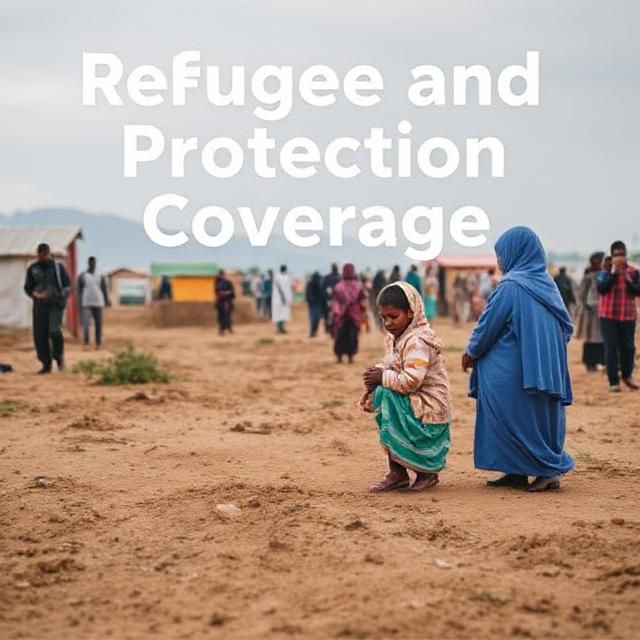
Interim Federal Health Program (IFHP) – Refugee and Protection Coverage
The Interim Federal Health Program (IFHP) provides temporary health coverage to individuals who are not yet eligible for provincial or territorial health insurance. This program primarily assists refugees, refugee claimants, and certain other protected persons during their transition period in Canada.
Eligible groups include:
Resettled refugees (government-assisted or privately sponsored)
Refugee claimants awaiting status decisions
In-Canada protected persons recognized under Canadian law
Other specific groups identified by the federal government
IFHP coverage includes essential and urgent dental services, medical care, and limited prescription coverage. Although temporary, the IFHP ensures that vulnerable populations have access to critical health services, including dental treatment, until they qualify for standard provincial healthcare plans.
Canadian Dental Care Plan (CDCP) – National Dental Coverage
The Canadian Dental Care Plan (CDCP) is a federal initiative aimed at improving access to affordable dental care for Canadians who lack private insurance and meet specific income criteria. This program is being implemented in phases and is expected to revolutionize oral healthcare accessibility across the country.
Eligibility for CDCP includes:
Seniors aged 65 and above
Individuals with a valid Disability Tax Credit (DTC) certificate
Children and youth under 18 years old
Households with an adjusted net income below $90,000 per year
Services covered under CDCP:
Preventive dental care (cleanings, fluoride, exams)
Basic restorative treatments (fillings, extractions)
Major dental procedures (crowns, dentures)
Periodontal care (gum disease treatment)
The CDCP is designed to reduce financial barriers and ensure that Canadians can receive timely, preventive, and restorative dental treatments, ultimately improving both oral and overall health.
Healthy Smiles Ontario (HSO) – Dental Coverage for Children
Healthy Smiles Ontario (HSO) is a provincially funded program that provides free dental care to eligible children and youth aged 17 and under. Its goal is to promote early oral health habits and prevent future dental issues by ensuring access to regular dental care.
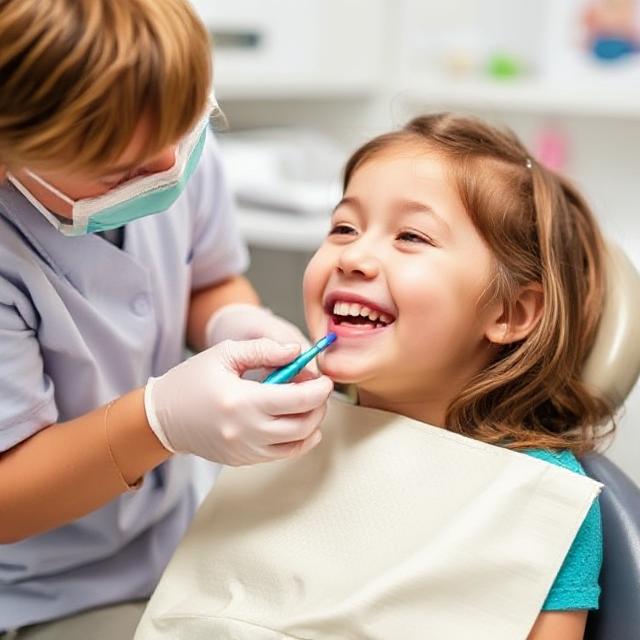
HSO covers the following services:
Routine dental checkups and exams
Professional teeth cleaning
X-rays and diagnostic tests
Fillings, extractions, and other dental treatments
Preventive care such as fluoride and sealants
By eliminating cost barriers, Healthy Smiles Ontario ensures that children receive comprehensive dental care and helps build a strong foundation for lifelong oral health.
Conclusion
Dental coverages in Canada play a vital role in maintaining oral health and improving quality of life. Whether through private insurance or public programs like NIHB, IFHP, CDCP, and HSO, these plans make dental care accessible and affordable for all Canadians. Understanding your eligibility and available options can help you choose the right plan, minimize out-of-pocket expenses, and ensure long-term dental wellness.
FAQs About Dental Coverages in Canada
1. What is the Canadian Dental Care Plan (CDCP)?
The CDCP is a national program that provides affordable dental coverage to uninsured Canadians with low or moderate incomes, covering preventive and restorative dental treatments.
2. Who qualifies for the Non-Insured Health Benefits (NIHB) program?
NIHB is available to eligible First Nations and Inuit individuals in Canada, offering comprehensive coverage for dental, vision, and other essential health services.
3. Does private dental insurance cover cosmetic procedures?
Some private dental insurance plans cover cosmetic treatments like teeth whitening and veneers, though this depends on the policy type and coverage level.
4. What is included under Healthy Smiles Ontario (HSO)?
HSO covers essential dental services for children 17 and under, including cleanings, fillings, X-rays, and preventive treatments.
5. How can refugees access dental care in Canada?
Refugees and asylum seekers can access temporary dental care through the Interim Federal Health Program (IFHP) until they become eligible for provincial health coverage.